
Fish oil research wins ‘Paper of the Year’ award
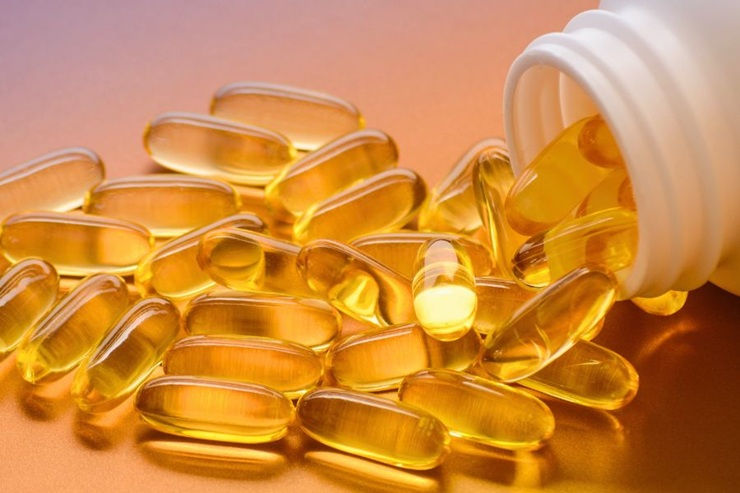
Taking fish oil supplements might be better than eating oily fish for improving heart health, according to an award-winning research paper.
Southampton researchers Professor Philip Calder and Dr Helena Fisk are co-authors for the study, which has been named the British Journal of Nutrition’s Paper of the Year.
They are both part of our NIHR Southampton Biomedical Research Centre’s nutrition, lifestyle and metabolism theme.
Preventing blood clots
The study was led by Professor Parveen Yaqoob at the University of Reading, in collaboration with researchers in Southampton and Liverpool.
The study aimed to find out whether eating oily fish or taking fish oil supplements is better for heart and blood vessel health. Both are a source of EPA, a type of omega-3.
To do this, the team looked at extracellular vesicles in the blood of 42 adults. They either ate oily fish like salmon or mackerel, took fish high-dose oil supplements, or continued with their normal diet (the control group) for 12 weeks.
Extracellular vesicles are tiny ‘packages’ that help cells to communicate. However, too many can raise the risk of blood clots, a factor linked to cardiovascular disease.
Supplements more effective
Only participants who took high-dose fish oil supplements had a significant reduction in the number of extracellular vesicles in their blood. Participants who ate oily fish had no change.
Supplements also reduced how strongly the vesicles triggered the production of thrombin, a key protein involved in blood clotting. Again, this was not seen in those who ate oily fish.
The research shows that eating oily fish is not enough to give cardiovascular benefits related to extracellular vesicles. However, high-dose fish oil supplements could help.
The Paper of the Year award recognises an outstanding piece of research published in the British Journal of Nutrition.
The winning paper needs to demonstrate exceptional scientific rigour, originality, and significance in the field of nutritional science.